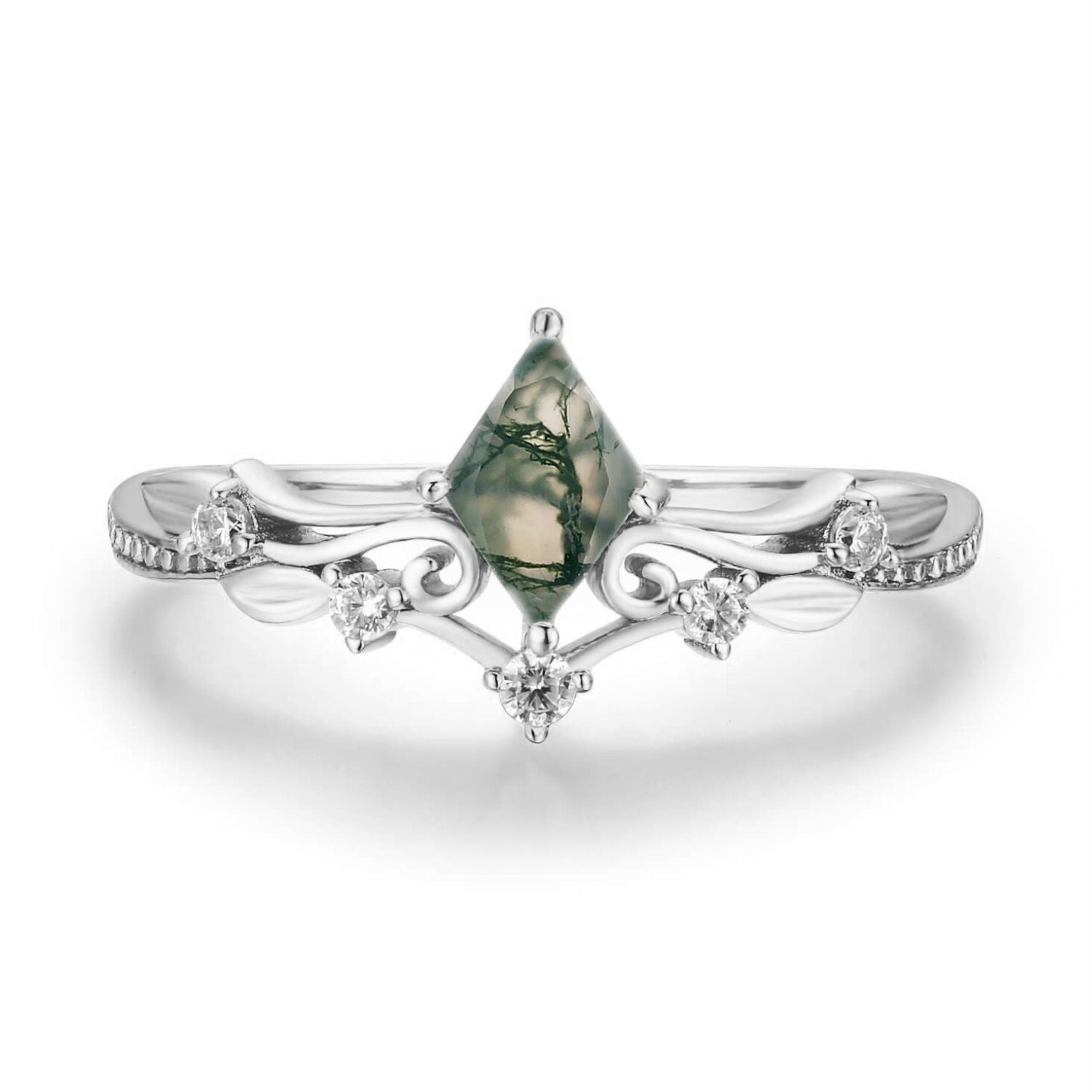
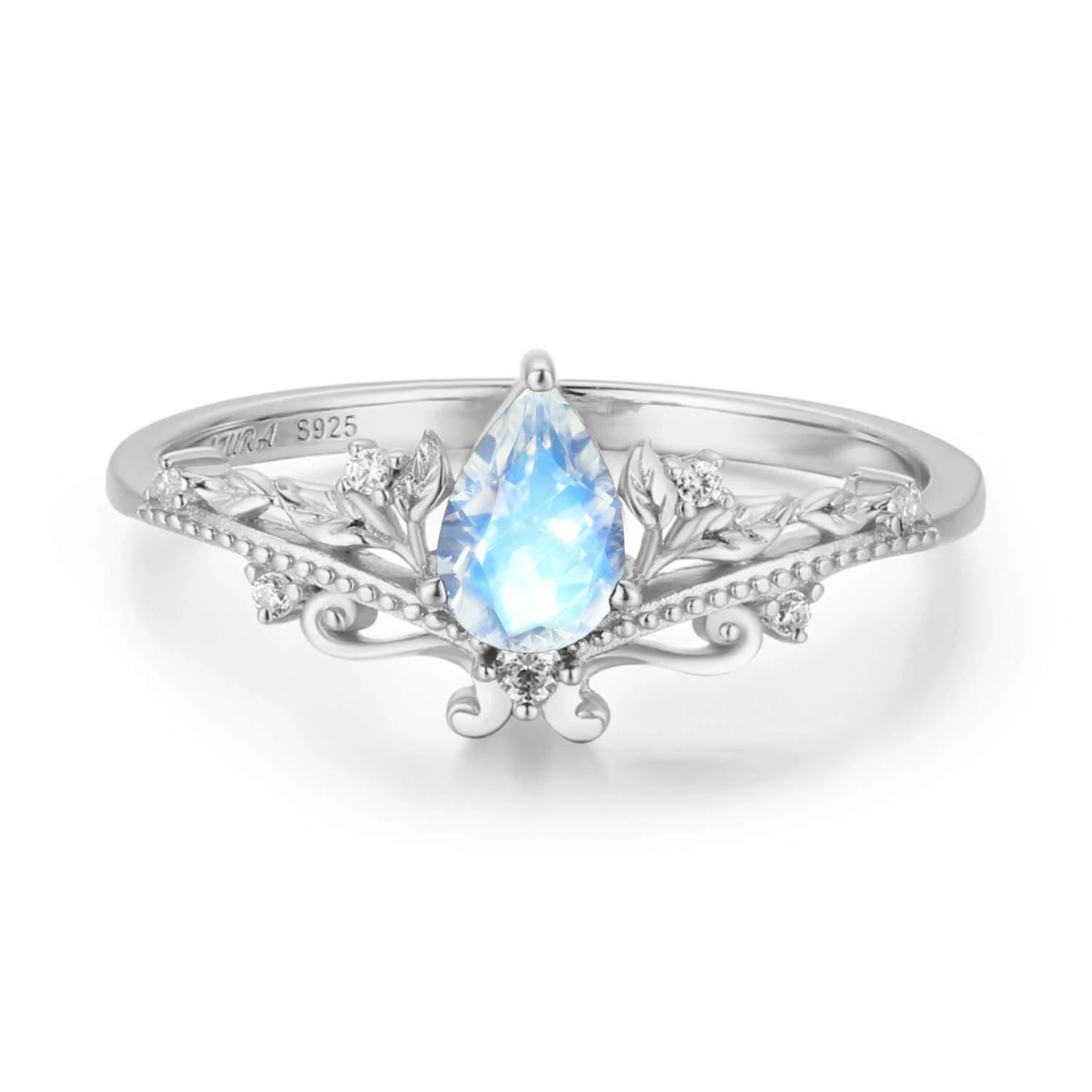

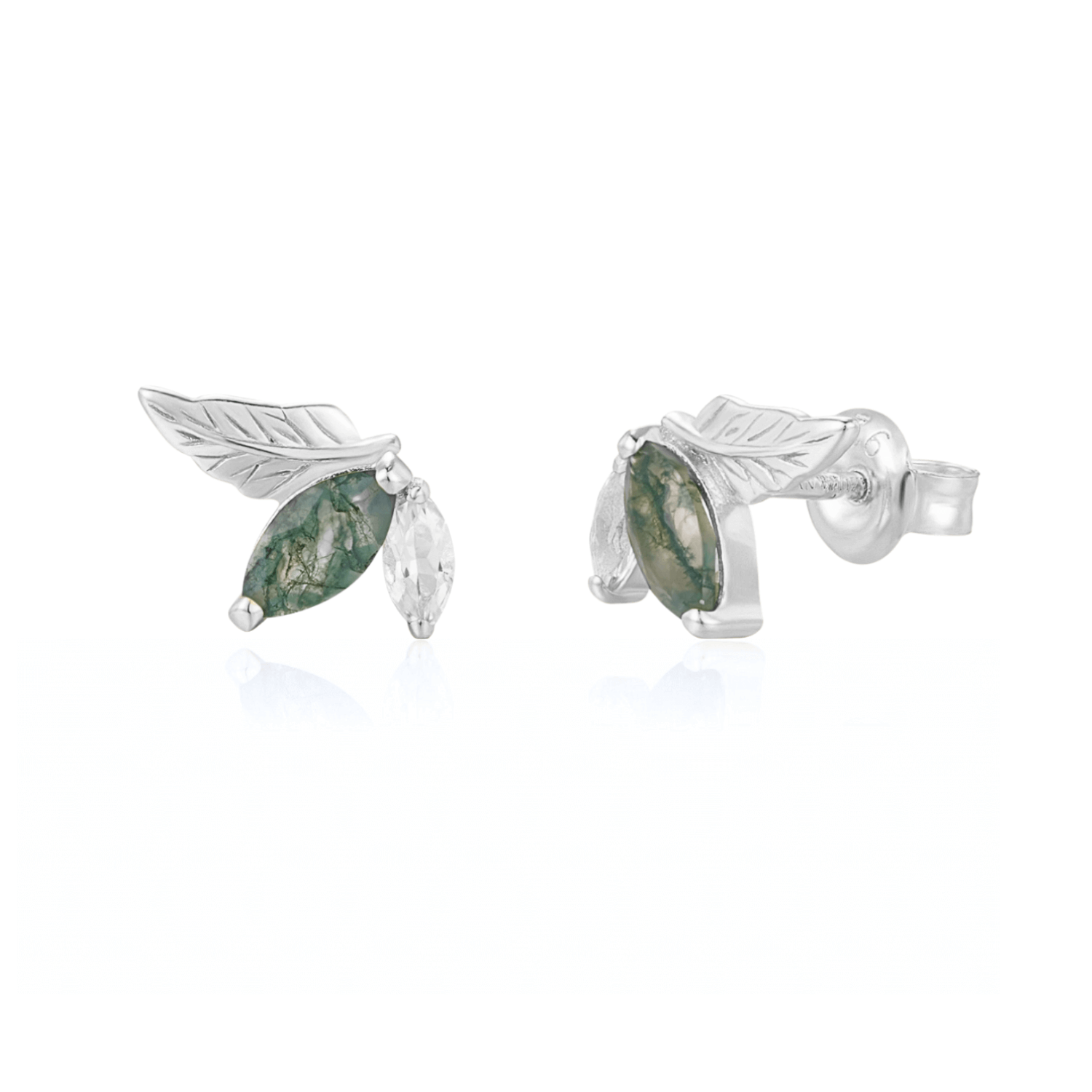


White gold is loved for its bright, elegant appearance and timeless appeal. From engagement rings to everyday jewelry, it has become one of the most popular metal choices for modern fine jewelry. But over time, white gold jewelry begins to look warmer, duller, or slightly yellow.
If you’ve ever wondered, “Why is my white gold turning yellow?” — the good news is that this is completely normal.
Here’s everything you need to know about why white gold changes color, how rhodium plating works, and how to keep your white gold jewelry looking its best.

What Is White Gold?
Despite its name, white gold is not naturally bright white.
Pure gold naturally has a rich yellow tone, so white gold is created by mixing yellow gold with white metals such as palladium, silver, or zinc to create a lighter-colored alloy.
To achieve the bright white shine most people associate with white gold jewelry, the piece is typically finished with rhodium plating — a thin layer of rare white metal that gives jewelry its reflective, platinum-like appearance.

Why Does White Gold Turn Yellow?
White gold itself does not actually “turn yellow.” Over time, the rhodium plating gradually wears away, revealing the naturally warmer tone of the white gold alloy underneath.
As the rhodium fades, your jewelry may start to appear:
-
Slightly yellow
-
Warmer in tone
-
Less bright and reflective
-
Duller or patchy in certain areas
This is especially common in rings because they experience more friction and daily wear than earrings or necklaces.
Is It Normal for White Gold to Yellow?
Yes — this is completely normal and not a sign that your jewelry is fake or poor quality.
Rhodium plating is only a thin surface layer, so with everyday wear, exposure to water, lotions, soap, sweat, and friction naturally causes it to fade over time.
Some areas may yellow faster than others, especially:
-
Ring prongs
-
The bottom
-
Edges that rub against surfaces frequently
In fact, many jewelers consider slight yellowing a natural part of owning white gold jewelry.
Does White Gold Tarnish?
White gold does not tarnish, nor does it rust.
What many people mistake for tarnishing is actually the rhodium plating wearing away and exposing the true color of the gold alloy underneath.
This means:
-
Your jewelry is not damaged
-
The gold itself remains durable
-
The color change is cosmetic, not structural
How Long Does Rhodium Plating Last?
The lifespan of rhodium plating depends on how often the jewelry is worn and how it’s cared for.
On average:
-
Everyday rings may need replating every 1–2 years
-
Necklaces and earrings can last significantly longer
-
Frequent exposure to chemicals and moisture may speed up fading
Body chemistry and lifestyles can also affect how quickly rhodium plating wears away.
Can White Gold Be Made White Again?
Yes — and the process is simple.
To restore white gold jewelry, a jeweler can professionally reapply rhodium plating through a process commonly called replating or redipping.
During this process, the jewelry is:
-
Professionally cleaned
-
Polished to remove surface scratches
-
Coated with a fresh layer of rhodium
This restores the bright white shine and gives the jewelry a like-new appearance again.
How to Prevent White Gold from Turning Yellow
While rhodium fading is inevitable over time, proper care can help slow the process.
Avoid Harsh Chemicals
Cleaning products, chlorine, perfume, and lotions can wear down rhodium plating faster.
Remove Jewelry During Activities
Take off your rings before:
-
Swimming
-
Exercising
-
Showering
-
Cleaning
Store Jewelry Properly
Keep white gold jewelry in a soft pouch or jewelry box to reduce scratches and friction.
Clean Gently
Use warm water, mild soap, and a soft cloth to clean white gold jewelry safely at home.
White Gold vs Platinum
White gold is often compared to platinum because they have a similar appearance, but they age differently.
White Gold
-
Rhodium plated for brightness
-
Lightweight feel
-
More affordable
-
Requires occasional replating
Platinum
-
Naturally white metal
-
Heavier and denser
-
More expensive
-
Does not require rhodium plating
Many people choose white gold because it offers a luxurious bright-white look at a more accessible price point.
Is White Gold Worth It?
Absolutely. White gold remains one of the most popular jewelry metals because of its versatility, elegance, and timeless appearance.
Its cool-toned finish beautifully complements:
-
Diamonds
-
Moissanite
-
Sapphires
-
Emeralds
-
Minimalist jewelry styles
While it does require occasional maintenance, many people love white gold for its sophisticated and refined look.
Final Thoughts
White gold jewelry is designed to be worn, loved, and lived in — which means subtle changes over time are completely natural. Rather than taking away from its beauty, the gradual softening of rhodium plating reflects the everyday moments your jewelry becomes part of.
With occasional maintenance and proper care, white gold jewelry can maintain its brilliance for years while continuing to evolve alongside your personal style. Whether you love white gold for its sleek appearance, durability, or elegance, it remains a timeless investment that never goes out of style.
At Azura Jewelry, we create pieces designed to be cherished daily — blending modern sophistication with lasting craftsmanship. Explore our white gold collection and discover timeless pieces made for every occasion.